The History of Anime
Japanese animation, commonly known in pop culture as anime, has evolved from short experimental films into one of the world’s most influential entertainment industries. Over more than a century, technological innovation, artistic creativity, and cultural exchange have shaped anime into the global phenomenon it is today. This timeline explores the major events, developments, and milestones that defined anime’s remarkable journey.

The Origins of Japanese Animation (1900s–1910s)
Anime’s roots date back to the early 20th century, when Japanese filmmakers began experimenting with hand-drawn animation inspired by European and American techniques. These early productions were short, silent films created frame by frame using chalkboards, paper cutouts, and traditional drawings. Although many of these works have been lost, they laid the foundation for Japan’s animation industry.
Major Milestones:
- Earliest surviving Japanese animated films (1917)
- Silent black-and-white animation
- Hand-drawn experimental techniques
- Influence of Western animation
Growth During the Pre-War Era (1920s–1930s)
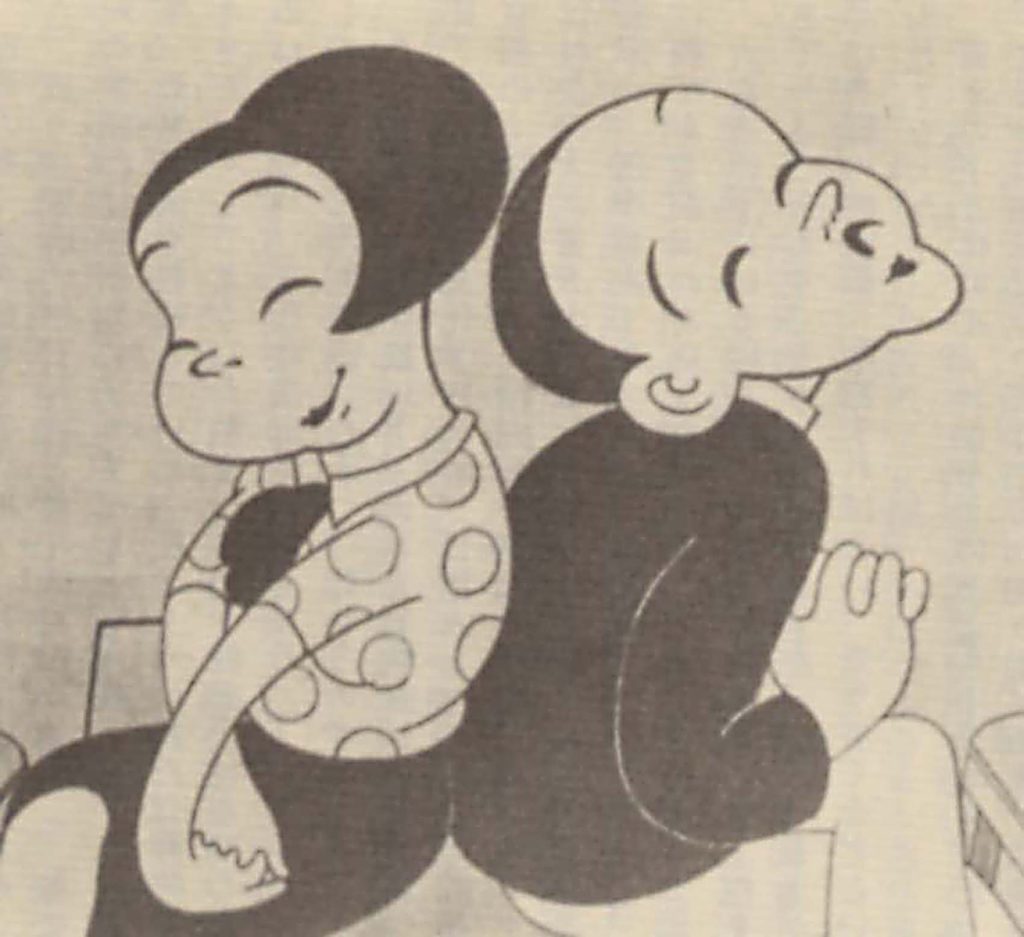
As animation techniques improved, Japanese studios produced educational films, advertisements, and short entertainment pieces. Advances in cel animation allowed artists to create smoother movement, while growing public interest encouraged more ambitious productions. During this period, animation gradually became recognized as its own artistic medium.
Major Developments:
- Introduction of cel animation
- Educational and commercial animation
- Expansion of small animation studios
- Improved storytelling techniques
Animation During World War II (1940s)
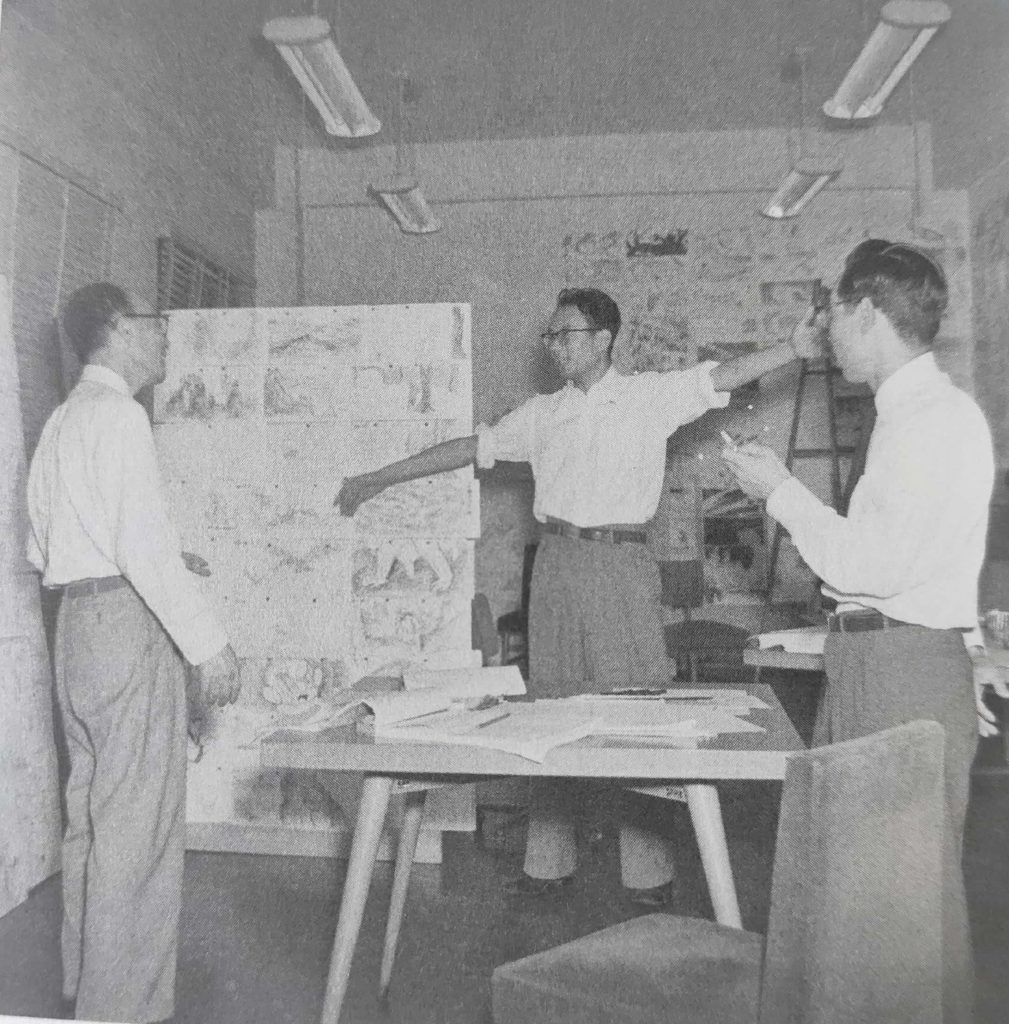
During World War II, much of Japan’s animation industry shifted toward government-sponsored propaganda and educational films. Limited resources affected production, but the experience helped artists refine animation techniques that would later benefit the post-war industry.
Key Changes:
- Government-funded productions
- Limited resources and materials
- Technical advancements despite restrictions

The Birth of Modern Anime (1950s–1960s)
Following the war, Japan’s animation industry experienced rapid growth. Television created new opportunities for animated programming, while improved production methods made serialized animation possible. The influence of manga became increasingly important, helping establish the visual style associated with anime today. This period also introduced limited animation techniques, allowing studios to produce television series more efficiently while maintaining expressive storytelling.
Important Developments:
- Television animation
- Growth of manga adaptations
- Rise of professional animation studios
Expansion and Innovation (1970s)
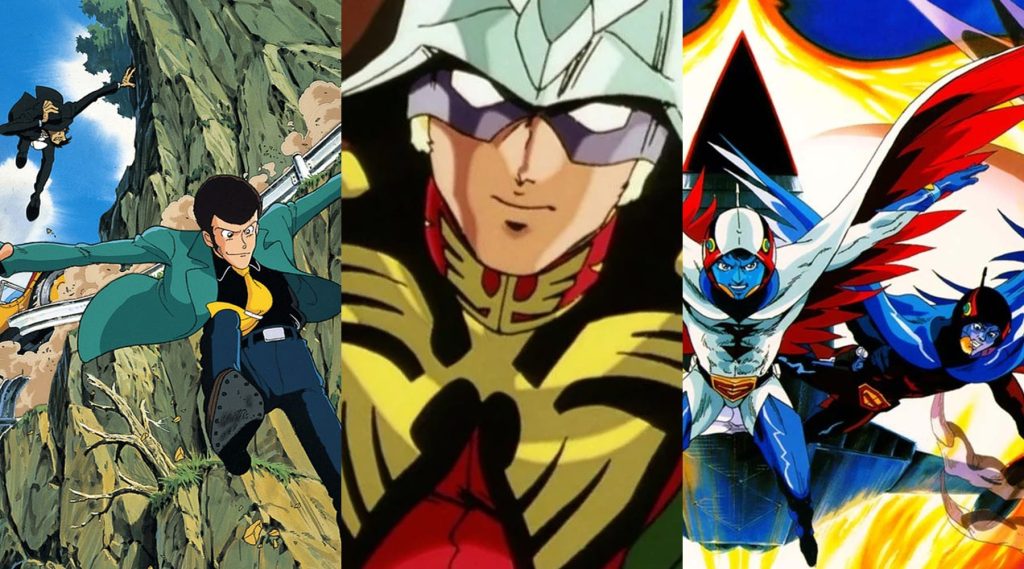
The 1970s saw anime diversify into new genres and audiences. Science fiction, fantasy, sports, romance, and historical stories became increasingly popular. Improvements in animation quality and storytelling helped anime appeal to both children and adults. Studios began experimenting with more ambitious productions, laying the groundwork for the industry’s future success.
Highlights:
- Genre diversification
- Larger television audiences
- Improved animation quality
- Expansion of merchandise and licensing

The Golden Age of Anime (1980s)
Many historians consider the 1980s one of anime’s most influential decades. Advances in hand-drawn animation, original video animations (OVAs), and theatrical films allowed creators greater artistic freedom. High production values and increasingly sophisticated storytelling attracted audiences around the world. The decade also marked significant growth for Japan’s animation studios and international recognition.
Major Developments:
- Rise of OVAs
- Higher animation quality
- International distribution
- Expansion of anime studios
Global Recognition (1990s)
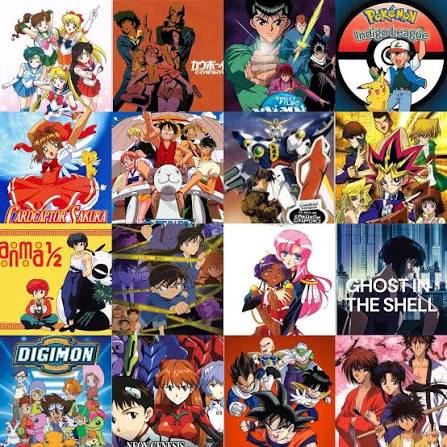
During the 1990s, anime expanded far beyond Japan. Television broadcasts, home video releases, and international licensing introduced anime to millions of viewers worldwide. Fan communities grew rapidly as conventions, magazines, and early internet forums connected audiences across different countries. Anime became recognized not only as entertainment but also as an important cultural export.
Key Events:
- Worldwide television broadcasts
- Growth of anime conventions
- Home video popularity
- International fan communities
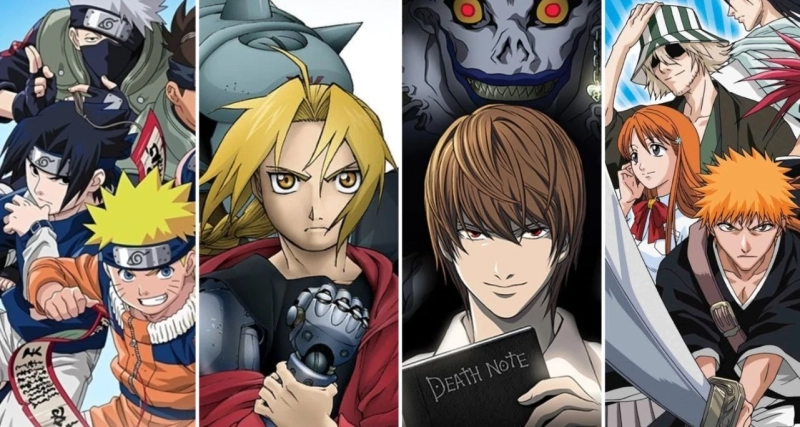
The Digital Revolution (2000s)
The 2000s brought major technological changes to anime production. Studios increasingly adopted digital coloring, computer-assisted animation, and digital editing, replacing many traditional hand-painted methods. The internet also transformed how fans discovered anime through online communities and legal streaming services began to emerge.
Industry Changes:
- Digital production
- Computer-assisted animation
- Internet fan communities
- Growth of global licensing

The Streaming Era (2010s)
Streaming platforms dramatically changed the anime industry by making new series available to international audiences shortly after their Japanese release. Simultaneous releases expanded anime’s global reach, while social media allowed fans worldwide to discuss episodes instantly. International demand encouraged greater investment and collaboration between Japanese studios and overseas companies.
Major Trends:
- Streaming services
- Simulcasts
- Worldwide accessibility
- Growth of international audiences

Modern Anime (2020s–Present)
Today, anime is one of the world’s fastest-growing entertainment industries. Advances in digital animation, CGI integration, and high-resolution production continue to push artistic boundaries. Anime influences film, television, gaming, fashion, music, and popular culture around the globe. Studios continue balancing traditional artistic techniques with modern technology while reaching larger audiences than ever before.
Current Trends:
- Global popularity
- High-definition digital animation
- International collaborations
- AI-assisted production research
- Expanding worldwide fan communities
Anime's Lasting Legacy
Over more than a century, anime has evolved from experimental short films into a global cultural phenomenon. Its influence extends far beyond television and cinema, inspiring creators across countless artistic fields while bringing together millions of fans worldwide. As technology advances and new generations of storytellers emerge, anime continues to grow while honoring the creativity, innovation, and artistic traditions that shaped its remarkable history.